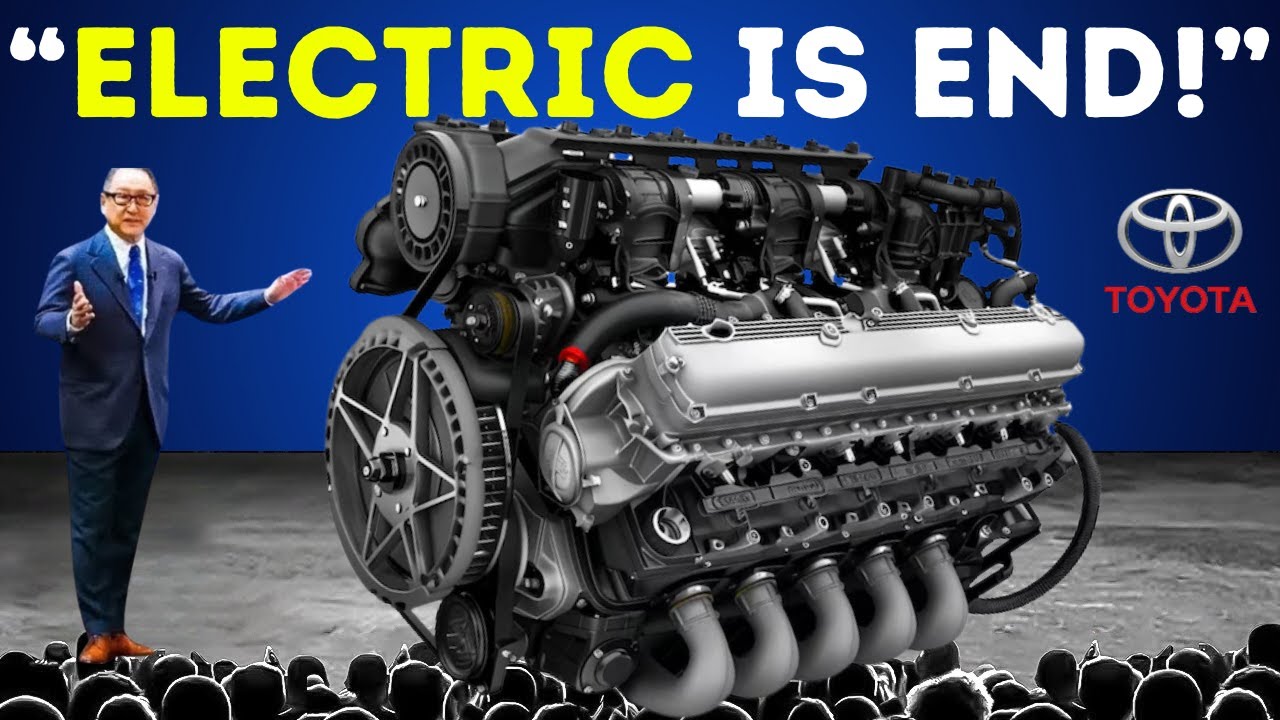
The global auto industry is racing toward an electric future, but just when everyone thought internal combustion engines were fading away, Toyota Motor Corporation has dropped a bombshell. The Japanese giant is redefining what’s possible with traditional engines—and the results are nothing short of revolutionary.
A New Era for Combustion Engines
While EVs dominate headlines, Toyota is taking a different route. Instead of abandoning internal combustion, the company is reinventing it. Their next-generation engine promises higher efficiency, lower emissions, and compatibility with alternative fuels—a combination that could disrupt the entire automotive roadmap.
Unlike conventional petrol engines, Toyota’s innovation focuses on clean combustion technologies and fuel flexibility, including hydrogen-based systems
What Makes This Engine So Special?
Here’s why this development is turning heads across the industry:
1. Hydrogen-Powered Combustion
Toyota is pushing hydrogen as a viable fuel for combustion engines. Unlike EVs, which rely on batteries, hydrogen combustion engines burn fuel in a way that produces near-zero harmful emissions.
This isn’t just theory. Toyota has already showcased hydrogen-powered race cars competing in endurance events, proving the tech works under extreme conditions.
2. Ultra-High Efficiency
The new engine design improves thermal efficiency dramatically. This means:
- More power from less fuel
- Reduced energy waste
- Better mileage compared to traditional engines
3. Lightweight & Compact Design
Toyota engineers have redesigned the engine architecture to be smaller and lighter. This allows:
- Improved vehicle balance
- Better performance
- Easier integration into hybrid systems
4. Multi-Fuel Compatibility
One of the biggest breakthroughs is flexibility. The engine can potentially run on:
- Hydrogen
- Synthetic fuels
- Biofuels
This gives consumers and governments more options beyond just electric vehicles
Why This Matters for the Future
The push toward EVs is undeniable, but challenges like charging infrastructure, battery costs, and resource limitations still exist. Toyota’s innovation offers a practical bridge solution.
Instead of forcing a single solution, this approach allows:
- Faster global adoption of cleaner mobility
- Reduced dependence on rare battery materials
- Continued use of existing fueling infrastructure (with upgrades)
Industry Impact: A Game Changer?
Many experts believe Toyota’s breakthrough could:
- Extend the life of combustion engines
- Slow down the complete shift to EV-only strategies
- Encourage other automakers to explore alternative fuels
Even competitors are now watching closely as Toyota proves that combustion engines still have untapped potential.
EV vs Next-Gen Combustion: The Real Battle
| Feature | Electric Vehicles | Toyota’s New Engine |
|---|---|---|
| Emissions | Zero tailpipe | Near-zero (hydrogen) |
| Refueling Time | Slow charging | Quick refueling |
| Infrastructure | Still growing | Can adapt existing |
| Range | Limited (varies) | Comparable or better |
Smart Strategy or Risky Bet?
Some critics argue Toyota is delaying full electrification, while others see this as a smart diversification strategy. By investing in multiple technologies—EVs, hybrids, and hydrogen—Toyota is hedging its bets in an uncertain future.
Final Thoughts
The auto world may be heading electric, but Toyota Motor Corporation just proved that innovation doesn’t follow a single path. Their next-generation combustion engine could reshape how we think about sustainability, performance, and the future of mobility.
One thing is clear: the race isn’t over—and Toyota just accelerated it.